Careful How We Build

1 Corinthians 3:10 “By the grace God has given me, I laid a foundation as an expert builder, and someone else is building on it. But each one should be careful how he builds.”

Paul built with God, but he did not mean to boast when he describes himself as an “expert builder.” After all, he did so only “by the grace of God given to me.” Still, Paul provides us with a pattern or example that we can follow.

The key is in that grace of God by which Paul himself built. God’s overwhelming love for Paul, in spite of his murders and persecutions against God’s people, changed the man. Now that same grace, the forgiveness of all his sins, the love of God for him that could not be exhausted became the focus of his life. It moved him to share that gift with others. It bestowed on him the gifts he needed to share that gift with others.

It also gave him the message, the tool by which he would share that gift with others. How does one lead other people to Jesus and attach them to his church? When putting together a structure, there are always shortcuts you can take. At best they weaken the structure. At worst they doom it.

In God’s kingdom, there are many false methods that may appear to gather a large number of people together and build a church. Sometimes the “building” that then appears is only an illusion. I have listened to sermons that didn’t make mention of Jesus from start to finish, not to mention his saving work for us. You probably have, too. Every word of the sermon may have been true. But the preacher was not building with God or using his tools. How could he be when the gospel was missing?

Paul called the gospel “the power of God for the salvation of everyone who believes” in Romans 1. He told the Corinthians earlier in this letter, “I resolved to know nothing while I was with you except Jesus Christ and him crucified.” Where there is no gospel there is no progress on the house God is building. Everything God builds has to be built with his grace.

Paul urges us to give special attention to this: “…I laid a foundation as an expert builder, and someone else is building on it. But each one should be careful how he builds.” Every Christian today builds on a foundation that others have laid down in the past. Many things about ministry have changed over the years. Some of these changes are legitimate as God’s church faces new challenges. We worship in a different (earthly) building. We sing and pray from different books in different languages led by different men. The faces of those sitting in the pews change across the years.

Only let this be the same: that we build using the gospel as our tool, and on the sure foundation God himself has laid.
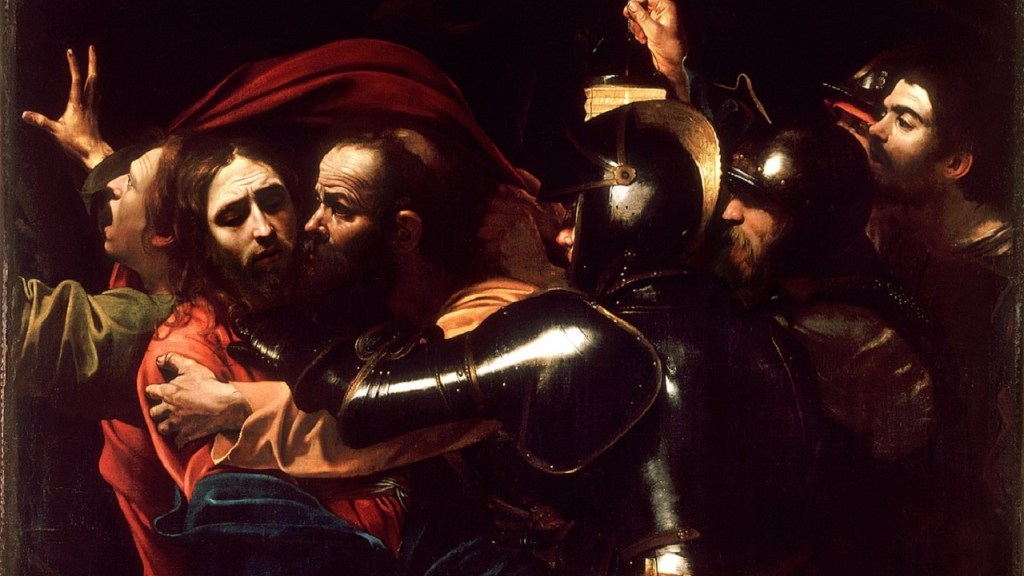
Who’s In Control?

Matthew 26:1 “When Jesus had finished saying all these things, he said to his disciples, ‘As you know, the Passover is two days away–and the Son of Man will be handed over to be crucified.’”

The Passover was just two days away. The Passover was the celebration of God’s great deliverance of Israel from Egypt. It taught them, like nothing else did, that their God was a God who rescues his helpless people from death. It also taught them to look forward to an even greater deliverance from an even darker death when the Messiah appeared in the future. Jesus was that Messiah, and this Passover was his chosen time to execute that great deliverance.

If we step back for a moment and look at the timing of Jesus’ plans, we are impressed by the artistry and poetry of the way that Jesus orchestrates and conducts his saving work. In the Passover a Lamb died to free God’s people from slavery and death. On this Passover, Jesus the Lamb of God, would die to free God’s people from slavery to sin and death. In the Passover God brought deliverance and victory to his people when it looked certain that they were going to suffer death and defeat. On this Passover Jesus brought everlasting deliverance and victory to his people from what looked like certain death and defeat. The enemies of Jesus could oppose the timing of his Passover plan to save us, but they could not stop it.

Have we learned to trust God’s timing as he continues to work in our lives for our salvation? Do we catch glimpses of the artistry and the poetry in the way he still conducts and orchestrates his plans as we live them? Like Israel under Pharaoh’s heavy hand, or trapped by the Red Sea; like the disciples watching Jesus slowly die on the cross, we may find it difficult to see past the darkness of the moment in which we are living. It must seem to us like God brings help too late. Remember Martha’s words to Jesus when he visited after Lazarus had died? “Lord, if you had been here, my brother would not have died.” Thanks for coming, but isn’t your timing off, Jesus? But was there something wrong with Jesus timing when he performed an even greater miracle and raised Lazarus from the dead?

Admittedly, it is hard to keep carrying our heavy load when we are pleading with Jesus for help. We want the pain to go away. We fear the future. It is hard to wait. But Jesus’ enemies are the ones who oppose and reject his timing. His friends trust it and accept it. So easily, so many times, we become guilty of fighting the very plans he has made to serve our souls and increase our faith.

Still, we may think to ourselves, “If only I could get control…” Would it surprise you if I admitted that I want control–control over my own life? I not only want to keep control from people around me, people who have different plans than I do, people who might use their control to take advantage of me. I would also like to control Jesus’ involvement in my life. I plot and I plan. Sometimes I even think that I have control, or I am gaining control. But it is all an illusion. You and I have to act responsibly, but with our cooperation or without it, Jesus is still the one who holds control.

And isn’t that a comfort when we look at his plans for this Passover? As we review all that he suffered during these weeks of Lent, as we sit at the foot of the cross on Good Friday and look up at his bruised and blood-drenched body, it is easy for us to forget that he is there because he wants to be. He chooses this, not because he enjoys suffering. It filled his soul with such dread that he pleaded with his Father in Gethsemane to take it away if possible.

But it wasn’t possible, and so he chooses to let these men arrest him and commit all their crimes against him because it saves and serves us. “The punishment that brought us peace was upon him,” the prophet Isaiah says, not because of some accident, not because God lost it for a little while, but because this was Jesus’ Passover plan. And he was in control of the process from the start to the very end.