Matthew 4:3 “The tempter came to him and said, “If you are the Son of God, tell these stones to become bread.”
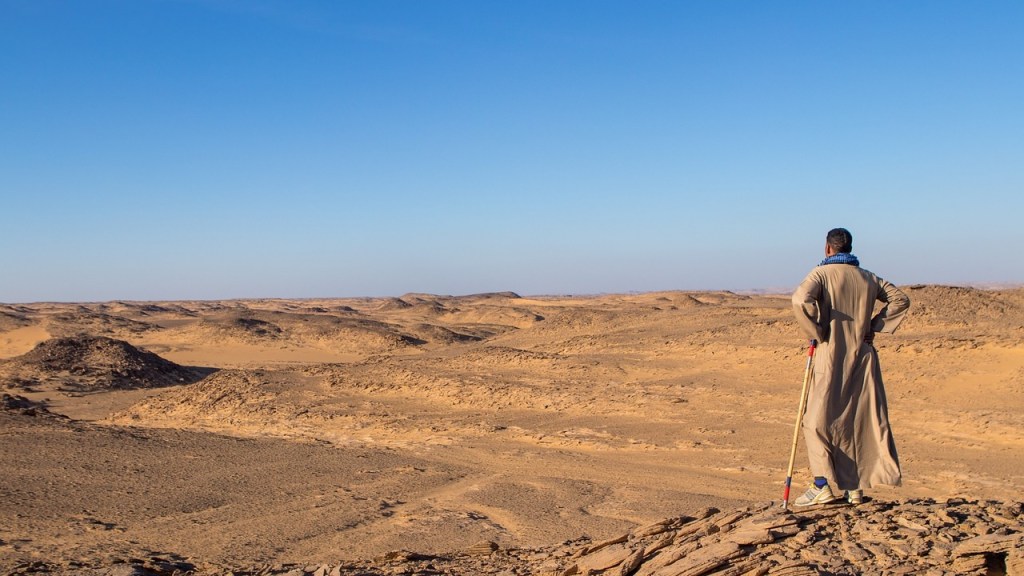
On top of the physical challenges of living in a desert wilderness, Jesus was being tempted. The physical and the spiritual circumstances combined to create the temptation. The potential for sin wasn’t so much in obtaining food and ending his hunger. It’s not wrong to eat. It lay in the method.
While Jesus lived on earth as our substitute, the plan was that he live under God the Father like the rest of us. His miraculous power was something reserved for showing mercy to other people. It wasn’t for his own advantage. He was here to show us a life of perfect trust in God. He was here to accept God’s will for all of life in all things–good or bad, easy or hard, pleasant or painful.
Remember how he got into this situation in the desert in the first place? “Jesus was led by the Spirit.” Wasn’t God the Father capable of providing food at any moment? And if God the Father wasn’t intervening to provide food, then couldn’t Jesus trust that it was okay to be hungry now?
The specifics of our situations, and the specifics of our temptations, are different. I’ve never been stranded without food in the middle of a desert and visited by the devil. But when our circumstances take us to the end of our strength; when we have nothing–no help, no resources, no prospects; when we seem to be facing our own doom, then the temptations pile on. Then we worry.
We may even be tempted to dismiss worry as just an emotion, just a natural reaction to an uncertain future. But worry is a waste of time and energy. It accomplishes nothing. Jesus later observed, “Who of you by worrying can add a single hour to his life?” More than that, worry exposes a heart that doesn’t think God really cares or has things under control. Either he doesn’t love us like he says he does, or he isn’t as powerful and all-knowing as he says he is. In other words, he isn’t really God. That’s why worry isn’t just a feeling, it’s a sin, and it strikes at the heart of our relationship with God.
Alongside worry comes resentment. I appreciate the honesty, but I am always a little taken aback when someone comes right out and tells me, “I’m mad at God.” A cancer diagnosis; losing someone you love suddenly; going so long without work that you lose the house, or the car, or maybe even the marriage–these “deserts of temptation” have been the occasion for people to tell me they have a beef with the Almighty. Just at that time when we need him most we are tempted to turn against him.
So we are tempted to try to go solo, to make it on our own without God. We transfer our faith from him to ourselves. We will find our own solutions. Sometimes those solutions may not be wrong in themselves. But sometimes we wind up in self-destructive behaviors. Our desperation makes us selfish, and we have no concern for whom we are hurting as we grab and lunge for relief, like the drowning swimmer who jumps all over the life guard trying to save him.
When life becomes a desert of temptation, it is hard to trust God in spite of your circumstances. But he has something better to fill our need than stones. He has a wiser solution than us taking control out of his hands, into our own. He is still the God whose promises do not fail. He gives his people exactly what they need, no matter how hard that may be to see. We trust him with our sins at the cross. We trust him with our lives at his empty tomb. We can trust him with every pressing need in the wilderness of temptation as well.
 Bits of Bread