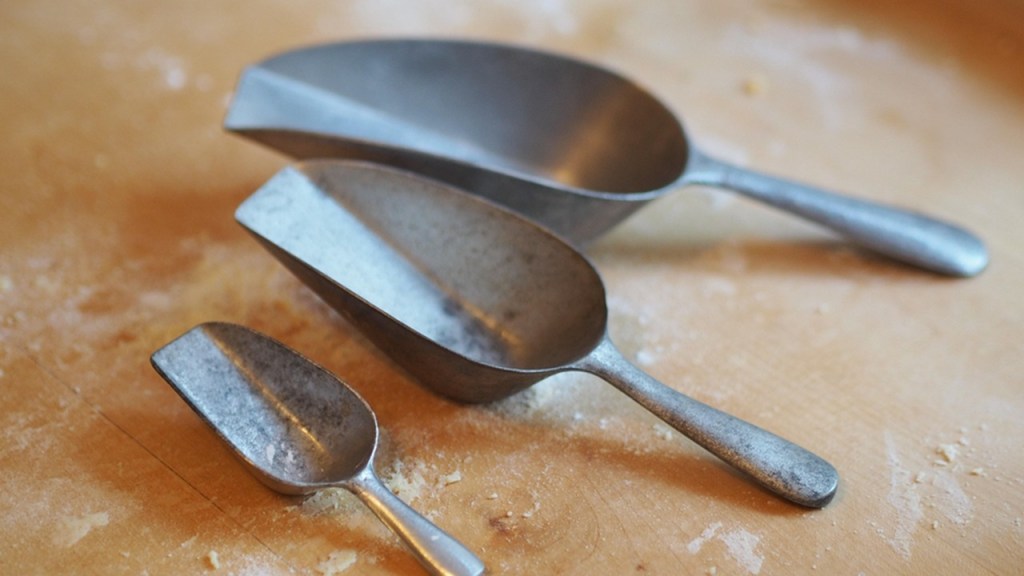
Luke 6:37-38 “Do not judge, and you will not be judged. Do not condemn, and you will not be condemned. Forgive, and you will be forgiven. Give, and it will be given to you. A good measure, pressed down, shaken together and running over will be poured into your lap. For with the measure you use, it will be measured to you.”
“Judge” is one of those words that can mean a number of different things. Hundreds of people bring their animals, their crafts, their garden produce to the county fair each year to be judged. No one takes any offense that judges grade their work and pick a winner. Parents try to teach their children to use good judgment when evaluating situations and making decisions. They encourage their children to judge wisely.
Jesus told his disciple that on the last day they would sit on twelve thrones with him judging the twelve tribes of Israel. Paul wrote the Christians in Corinth that they ought to judge disputes between believers in their congregation without taking the issue to the secular courts. All of these involve making an evaluation of some sort, but each one takes a slightly different slant on “judging.”
Jesus makes clear his concern here when he further says, “Do not condemn, and you will not be condemned.” He isn’t urging us to stop recognizing sin in others, to stop discerning between right and wrong. He is saying, “Don’t judge others as though they were vastly inferior to you, as though they were no longer worth your concern and your love. Don’t write them off as though they are beyond redemption. You are a sinner, and you weren’t.”
He is taking us back to how our heavenly Father regards us, isn’t he? If anyone has the ability to judge between right and wrong, good and evil, it is him. If anyone has the right to condemn us, to write us off, to conclude that we are no longer worth his time or effort or love, it is him. We have given him ample reason to do so, if we are honest. We know right from wrong. We know what God expects. We know how much he has given up to have us, how much he paid to make us his own, how patient he has been with our stubbornness. We still sin.
“But my sins are little sins,” someone might object. Maybe they are. But if they are so little, then why don’t we give them up? And honestly, don’t they expose the same spiritually sick heart that afflicts everyone else? Isn’t that why the Apostle James says, “Whoever keeps the whole law, yet breaks it at just one point, is guilty of breaking all of it”? Isn’t that why Paul warns, “Cursed is everyone who does not continue to do everything written in the book of the law”? Our Father sees our sin. That he certainly can judge. But he hasn’t given up on us and condemned us.
He has forgiven us. “Forgive, and you will be forgiven.” It’s not as though we are waiting for him to forgive us for the first time. We have been forgiven many times. We live in his forgiveness like it’s the atmosphere we breath as Christians. Even if we aren’t breathing it in at the moment, it’s there. It’s how we know he will keep forgiving us tomorrow. We live in this stuff.
Can we receive such grace, such a charitable, patient regard from our Father, and not be changed? Can we have so much forgiveness from him and not extend the same to others. It’s not as though we have anything to lose by doing so. “A good measure, pressed down, shaken together and running over will be poured into your lap. For with the measure you use, it will be measured to you.”
When you live in the United States, you use the English system of measure: cups and pints and quarts, and inches, feet and miles. When you live or travel in most other countries, they use the metric system: grams and liters and meters and such. Where you live or spend your time determines the measure you use.
When you live in God’s kingdom, when you are at home in his family, there is a system of measure based on his love and grace. That’s how our Father and his family operate. When you live and work by the world’s standards, it is a severe measuring system of personal performance, strict judgment, and stiff punishment that rules. Why not live life in God’s family, “for with the measure you use, it will be measured to you.”
 Bits of Bread