A Fiery Day Is Coming

Malachi 4:1 “’Surely the day is coming; it will burn like a furnace. All the arrogant and every evildoer will be stubble, and that day that is coming will set them on fire,’ says the Lord almighty. ‘Not a root or a branch will be left to them.’”

When God describes the punishment that waits for his enemies on and after Judgment Day, there are many unpleasant scenes into which he paints the unbelieving. Perhaps no feature of the day is more consistent throughout Scriptures than the description of burning. Everywhere this day is described as a day in which God’s enemies will face burning and fire.

Malachi also describes what a horrible destruction that fire will bring upon those people. “Not a root or a branch will be left to them.” When a fire sweeps through a forest, at least the roots of the trees escape. They are underground. But no part of those who suffer this fire will escape. The destruction will be complete.

That’s not to say that they will be completely annihilated. When something is destroyed, it doesn’t cease to exist. It changes form. The material which is “destroyed” still exists as a pile of rubble. Wood which is burned still exists as a pile of ashes. Those who suffer God’s punishment on Judgment Day may not be what they were in this life, but they won’t cease to exist. Their punishment never ends.

Do you see why it is important for us to take this warning to heart? Malachi calls those who suffer such a day of burning “the arrogant and every evildoer.” We may be inclined to exclude ourselves from such a description. After all, we are the sort of folk who attend church regularly. We live an outwardly decent life. We bring our tithes. We volunteer our time. We know our Bibles. We stand up for the truth. We speak our faith. We have the pure gospel.

All of this is good. But it also has a way of becoming a source of false pride. We can begin to believe that we really are superior people. Our own arrogance becomes harder to see because it hides under such a lovely religious veneer.

That’s what happened to the Pharisees of Jesus’ day. “My, what a fine person I am becoming,” they thought. God wants us to be eager to hear his word and zealous to serve him. But he has no time for those whose religion is all about me and what I have become, who add spiritual blindness to their spiritual rebellion, by putting their hope in themselves. For such people there is a day of burning.

Yet, in the burning Malachi announces we also find a word of comfort. The prophet was speaking to people who knew only too well what it meant to be victims. Some had cried out, “It is futile to serve God. What did we gain by carrying out his requirements and going about like mourners before the Lord Almighty? But now we call the arrogant blessed. Certainly the evildoers prosper, and even those who challenge God escape” (Micah 3:14-15).

Sound familiar? We have all suffered injustice at some time. It may look like people of this world can sin without restraint. They never seem to pay for it. Their consciences don’t even bother them. They sleep like babies. They get everything they want.

At the same time no one seems to be poorer, more miserable, or unhappier than we Christians. We know what King David meant when he prayed in the psalms, “How long, O Lord? Will you forget me forever? How long will you hide your face from me? How long must I…have sorrow in my heart? How long will my enemy triumph over me?” (Psalm 13:1-2).

On our part, we need to be careful that we don’t turn away from God and share the fate of the wicked. Nor does God doesn’t want us to be vindictive. He does he want us to wish eternal suffering on anyone. We prefer their conversion and salvation above all things.

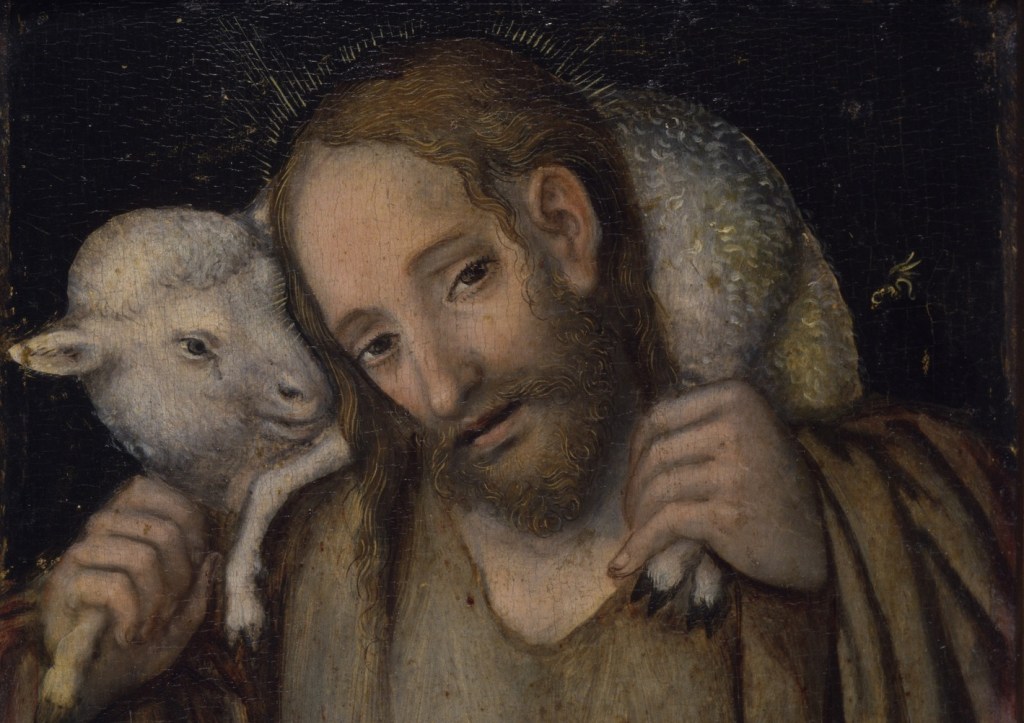
But here God also promises the day is coming when we will be vindicated. He saved us once long ago when Jesus shouldered our sins and carried them to the cross. He rescued us from sin and delivered us from death. The Day of Judgment is also a day of salvation. God promises to rescue us from the wicked and their fate: “And you will again see the distinction between the righteous and the wicked, between those who serve God and those who do not” (Malachi 3:18).

A fiery day is coming. We’ve been given fair warning. Let’s listen seriously and be prepared.

Missing My Post?

Readers of my blog,

In their infinite wisdom, it appears that Facebook has decided to suppress the distribution of my devotion for Monday, November 2, due to the fact that it makes heavy mention of an important upcoming event in our nation on Tuesday, November 3. Owing to their deep devotion to civic duty and generally high moral standards, they don’t want to promote things that might unduly influence said event.

If you are a regular reader of my devotional blog Bits of Bread, and usually access it by the links I post on the Grace Lutheran Church Facebook page and my personal Facebook page, and these have not showed up in your newsfeed, you may go to http://www.bitsofbread.org, and you will find my devotion posted there.

If you have clicked to this post from Facebook, scroll to the green link with the leftward arrow below, and it will take you back to the devotion I originally posted for this day. I hesitate to mention it by name lest I upset the sensibilities of Facebook’s thoughtful censors.

If you have come to my page by directly entering its URL into your web browser, then you should see my original post for this day below this one.

Thanks for reading. Have a blessed week!

Peace in Christ,

Pastor John Vieths

Go Vote. But…

Psalm 146:3-10 “3 Do not put your trust in princes, in mortal men, who cannot save. 4 When their spirit departs, they return to the ground; on that very day their plans come to nothing. 5 Blessed is he whose help is the God of Jacob, whose hope is in the LORD his God, 6 the Maker of heaven and earth, the sea, and everything in them– the LORD, who remains faithful forever. 7 He upholds the cause of the oppressed and gives food to the hungry. The LORD sets prisoners free, 8 the LORD gives sight to the blind, the LORD lifts up those who are bowed down, the LORD loves the righteous. 9 The LORD watches over the alien and sustains the fatherless and the widow, but he frustrates the ways of the wicked. 10 The LORD reigns forever, your God, O Zion, for all generations.”

I believe that every presidential election in which I have participated has been billed as “the most important election ever,” or “the most important election of our lifetimes.” Perhaps. It is possible that the importance of each election has grown progressively for nearly four decades. I wouldn’t expect the candidates to tell us, “This election isn’t really that important. You may want to stay home and do something else instead.” They need their supporters to come to the polls.

This year’s election has been no exception for the urgency with which it is promoted. While I am not sure how to measure “most important election ever,” this one may be inducing more hand-wringing than any I have seen. Political pundits on both sides warn that if we choose the wrong man, our nation is doomed. The republic will come to an end. All we hold dear will disappear. We will descend into anarchy, economic collapse, totalitarianism, environmental catastrophe, maybe even civil war. Many of my friends on social media seem convinced that this is true, judging by the things they post. It doesn’t matter whether they lean left or lean right. We need to pick the right candidate to avert catastrophe.

Humanly speaking, our political situation may be as dire as some say. This election may affect our future like none before. Even if not so much is riding on the outcome, we should all fulfill our duty as citizens to go to the polls and participate in the process. Because of the political system in which we live, the individual citizen wields this governing power and the responsibility that goes with it. Over 90 years ago Professor J.P. Meyer wrote in a seminary journal:

“Ours is a government of the people by the people, a government based on the consent of the governed. Again we must bear in mind that it is God who has ordained this government, it is God who placed us under this government and asks us to be subject for His sake.  This involves that we Christians of America have special duties to perform in this country from which Christians in (some) other countries may be absolved.  We must concern ourselves with the public welfare, we must give attention to the problems confronting our government, we must study the men seeking office, and cast our vote for the men and measures that we consider best…” (Theologische Quartalschrift, July 1928).

As a matter of civic and moral duty, go vote. But…

The words of Psalm 146 provide a sensible balance and some calming perspective to the hysteria surrounding our election. The ultimate government of the world in which we live does not lie in the hands of the people we elect to lead us. A survey of kings and emperors, prime ministers and presidents, across the ages reveals deeply flawed humans fumbling and bumbling through the solemn responsibility they had been given. They misused and abused their power. They inflicted pain on their people. They made serious misjudgments.

There are no exceptions to this rule. No exceptions. The greatest and godliest leaders and kings of Scripture all committed glaring failures of leadership. The stories of Abraham, Moses, David, Solomon, Hezekiah, and others all expose their obvious shortcomings. Choose the best candidate you can. But don’t be surprised when he lets you down. “Do not put your trust in princes, in mortal men, who cannot save.”

Thankfully, our human leaders are not all we have. “Blessed is he whose help is the God of Jacob, whose hope is in the LORD his God.” No matter who wins this election, or any election to come, the LORD God still sits on his throne. His power remains unchallenged and uncontested, “the Maker of heaven and earth, the sea, and everything in them…” He still runs history according to his plan. A nation or leader will succeed or fail as it suits his purposes.

This God runs this history not to enrich himself at others’ expense. Look at the list of those who served and saved by his administration: “…the oppressed…the hungry…prisoners…the blind…those who are bowed down…the righteous…the alien…the fatherless and the widow.” These aren’t mere campaign promises. This is the record of his rule spanning thousands of years. This selfless public service reaches its climax at the cross of Jesus Christ, where our true King died to free us from sin, spare us from hell, and deliver us from death.

So, go and vote. Make your best choice. But remember, “The LORD reigns forever, your God, O Zion, for all generations.”

There Is No Difference

Romans 3:19-20, 22-24 “Now we know that whatever the law says, it says to those who are under the law, so that every mouth may be silenced and the whole world held accountable to God. Therefore no one will be declared righteous in his sight be observing the law; rather, through the law we become conscious of sin…There is no difference, for all have sinned and fall short of the glory of God, and are justified freely by his grace through the redemption that came by Christ Jesus.”

Notice how many times Paul uses the word “all,” or words that are all inclusive. EVERY mouth, the WHOLE world, NO one. In each case he is making it clear that the law condemns us all. Let me start at the end. “through the law we become conscious of sin.” That’s not the way people like to use God’s law. Throughout time people have tried to use it to work their way to heaven. Others have wanted to use it to defend themselves. Still others see nothing more than the secret to a full and happy life there.

It’s true. God’s law does show the way to heaven, but only if you keep it perfectly. God’s law is a law of love, and he gave it to protect us and guide us. But as long as we are sinners, every time we look at his law, God’s finger is pointing at us and saying, “You did it.” “You don’t do what you’re told.” “You don’t love me with your whole heart.” “You neglect my word.” “You use other people instead of loving them.” “Your heart is full of lust, hatred, greed, resentment, doubt, and unbelief.” Through the law we become conscious of sin.

That is not merely academic, theoretical information. God’s law doesn’t teach about sin as religious concept. It burns. It nags. It cuts and it tears and it hurts. It makes us so conscious, so aware of sin that it gives no peace.

It gets worse. “There is no difference, for all have sinned and fall short of the glory of God.” There may be no harder words for us to hear in all of Scripture. “There is no difference.” There is no difference between us and the most disgusting sinner we can imagine. There’s no difference between us and the pedophile. There is no difference between us and the corrupt politician enriching himself at the expense of the people he is supposed to serve. There is no difference between us and the overt racist proudly intimidating and abusing others because their skin is a few shades darker.  

How can Paul say that? “All have sinned and fall short of the glory of God.” Apart from Christ, God looks at each individual in the world and he always sees the same thing: Rebellious, self-centered ego-maniacs trying to become little gods in their home-made heavens. As one Christian writer observed, “Sin, in the Biblical view of it, is never merely something gone wrong with man, but the whole man gone wrong.”

But there is more to this story: “There is no difference, for all have sinned and fall short of the glory of God, and are justified freely by his grace through the redemption that came by Christ Jesus.” Paul piles on the good news, the relief, the comfort, the freedom in just a few words. He promises that ALL are justified. That’s a word which should be easy for us to understand. It’s a court room term. When God justifies us, he is the judge, and he hands down a not guilty verdict. He declares us innocent. It didn’t cost us some million-dollar dream team of lawyers to be set free. It didn’t cost us a nickel. We are justified freely. We don’t have to pay our debt to society. We don’t have to report to the parole officer. We don’t have to put in hours of community service. God declares us not guilty for free.

How is this possible? “Through the redemption that came by Christ Jesus.” Jesus paid it all. He served the sentence we deserved with his death on the cross. We all share the same deed for it–Jesus’ own perfect sacrifice.

Equality is a value about which many people obsess today. The foundational Christian truths Paul shares in these verses have a leveling effect on all humanity. All are equally sinners under God’s law. All are equally justified by his grace. We all have reason to thank God for the gift that sets us free.

Not That We Loved God…

1 John 4:9-10 “This is how God showed his love among us: He sent his one and only Son into the world that we might live through him. This is love, not that we loved God, but that he loved us and sent his Son as an atoning sacrifice for our sins.”

Blind men don’t make good seekers. When an entire world of spiritually blind men gropes around looking for God, they think they find him in wood and stone, or perhaps in careers and bank accounts. Most deceiving of all, they imagine they have found him in the experiences, emotions and thoughts of their own hearts.

You can’t find God’s love in those places. That is why God didn’t leave us to go roaming around his creation looking for him. He doesn’t ask us to search for him in our own hearts. Do you want to know God? He doesn’t expect you to find him. You never would. He demonstrates his love by coming to us and living with us himself in the person of Jesus Christ. Jesus was truly Immanuel–God with us. The better we know Jesus, the better we know God, and the better we know his love.

Don’t misunderstand the Apostle’s message here. Jesus is a great example of how to live a life of love, but that is not the point in these verses. Jesus is first and foremost the way in which God has shown his love to us. Let us love one another, yes, but that doesn’t happen until we understand his love for us. “This is love: not that we loved God, but that he loved us and sent his Son as an atoning sacrifice for our sins.”

In his Son Jesus Christ, our God has so loved us that he has given up his own life as a sacrifice, a payment, for our sins, so that we might be forgiven. That is love, not just to imitate, but to appreciate and to appropriate–love that has made you its object, love that claims you as God’s very own.

Does this help us understand why your pastor continues to urge on you the forgiveness of sins and the cross of Jesus Christ from the pulpit week in and week out? God’s “I forgive you” is his “I love you.” We preach it so that you will have the faith to live forever, but also because it gives you the love to live right now.

Perhaps you remember the sinful woman who came to anoint Jesus’ feet with her tears at the house of Simon the Pharisee. Simon sneered that Jesus would tolerate this from such a sinful woman. Jesus understood Simon’s thoughts, so he told Simon a parable. Two men owed their master a debt. One owed a very large sum, the other a relatively small sum. The master forgave them both. “Now,” Jesus said, “Which one will love his master more?” “I suppose the one who had the bigger debt,” Simon replied.

Jesus applied this to the woman’s love for him. Why did she love Jesus so much? Because she had been forgiven much. But the one who has been forgiven little, loves little.

Like that woman, as we grow in understanding the size of our debt in sin, as we see God demonstrate the greater size of his forgiveness, we will overflow with love–not just love for Jesus, but love for one another, too.

Love Comes from God

1 John 4:7-8 “Dear friends, let us love one another, for love comes from God. Everyone who loves has been born of God and knows God. Whoever does not love does not know God, because God is love.”

Love comes from God. It’s that simple. This, of course, includes the love which we have received. We have all received love from God in the person of Jesus Christ and the forgiveness of sins. In love God has cleansed our loveless hearts, declared them pure and lovely for Jesus’ sake, even come to live in them himself. You and I have personally experienced and benefited from the love which flows from God to us.

But there is more to this love. That love which comes from God to us cannot continue to pour into us without overflowing to others. “Everyone who loves has been born of God and knows God. Whoever does not love does not know God, because God is love.” When John speaks of those who are born of God, he is not referring to natural birth. He is referring to the same kind of birth Jesus described to Nicodemus: “Unless a man is born again, he cannot see the kingdom of God.” This is our second birth, the birth of our spiritual life, the birth of our faith.

When John speaks of knowing God, the word he uses for knowing doesn’t emphasize knowing facts about God. This is not like the knowledge we have about Abraham Lincoln or Thomas Edison from history books at school. This is the kind of knowing that comes from having met someone and becoming his friend. In this case we even become part of his family. This is how we know God when we are born again.

Such faith and knowledge are our connection to God’s love. As God’s love pours into us, it fills us up and it spills over in a life of love to everyone else. And so, when we love one another, we are not the source of that love. God is, even when our hands are serving and our mouths speaking.  

Do you see how such a life of love is the product of so much more than just a long list of rules to keep? When an earthly father wants his children to behave in public, he may give them a long instructions. He warns them to stay away from this, not to touch that, to stay out of everyone else’s way, to “stop picking on your brother.” But maybe sometimes your father simply said to you, “Why don’t you sit next to me here and hold my hand.” As long as we did so, we not only kept all the rules, but we enjoyed a warm and loving relationship with our fathers. (I owe this illustration to Don Matzat in his book Christ Esteem).

In a similar way, with his message of love and faith, our heavenly Father wants to take us by the hand and say, “Why don’t you come over here, hold my hand, and stay close to my side.” What a blessing to enjoy such a warm and loving relationship with the heavenly Father! What a joy that he not only expresses his love to us, but allows it to be part of our own lives! We may know or may be learning his instructions, too. But as long as we are holding his hand and receiving his love in faith, his own love will be the source of ours as we love one another.

Our Privilege to See and Hear

Matthew 13:16-17 “But blessed are your eyes because they see, and your hearts because they hear. For I tell you the truth, many prophets and righteous men longed to see what you see but did not see it, and to hear what you hear but did not hear it.”

Jesus pronounces us blessed for what we see and hear from his word. Literally the word means “happy.” That happiness isn’t always obvious to see. If we think that it automatically translates into an easier or more fulfilling life in this world, we haven’t fully understood the secrets of the Kingdom. Eleven of the twelve men to whom Jesus was speaking here were going to meet violent deaths because of what their eyes saw and their ears heard in Jesus’ words. Every day around the world, 425 Christians still do. Persecution in our own country may be less violent and more subtle, but it exists nonetheless.

Still, Jesus refers to us all as “blessed,” “happy.” That privilege comes from knowing that the Lord of heaven and earth himself makes every single circumstance of our lives his personal and passionate concern, even the trying and painful ones. That privilege comes from knowing that nothing we do can make God love us even the tiniest bit less, because his grace never wavers and his forgiveness is never exhausted. That privilege comes from knowing that your labor in the Lord is not in vain, because Jesus is alive, ruling, and controlling all things at the Father’s right hand. That privilege comes from knowing that we are above death, because Jesus is the resurrection and the life, and those who believe in him will live, even though they die, and whoever lives and believes in him will never die.

That privilege makes us the envy of the ancient believers. “For I tell you the truth, many prophets and righteous men longed to see what you see but did not see it, and to hear what you hear but did not hear it.” Have you ever wished that you could go back to the days of Adam and walk in the Garden of Eden; or go back to the days of Abraham and be at his home when God visited with the two angels to announce Isaac’s birth; or go back to the days of Moses and walk through the Red Sea with a wall of water on either side of you; or go back to the days of Elijah when God sent fire from the sky to burn up his offering on Mount Carmel? Have you ever wished you could go back to meet these heroes of faith, see the miracles they saw, and experience the power of God the way they experienced it? Have you considered that they wished to trade places with you even more?

We live in the time of fulfillment. We know the outcome of the story. We have the full revelation of God’s love. We know Jesus by name. What they wouldn’t have given to know all the details of the gospel the way we know it! Enjoy the privilege we have been given to see and hear the full story of Jesus’ saving work.

Don’t Keep the Secret

Matthew 13:10-11 “The disciples came to him and asked, ‘Why do you speak to the people in parables?’ He replied, ‘The knowledge of the secrets of the kingdom of heaven has been given to you…’”

The word “secret” Jesus uses is from a word often translated “mystery” in the New Testament. For the people of Jesus’ day, a “mystery” wasn’t a crime that needed to be solved, like the story in an Agatha Christie novel or a Scooby Doo cartoon. It was something for which you needed inside information to understand.

We might compare it to an inside joke. You may hear someone say something that doesn’t sound funny to you, but others around you start laughing. They all know something that you don’t. The kind of “secret” or “mystery” Jesus is speaking of here isn’t funny, but it is something for which you need some “inside information” to understand.

The “secrets of the kingdom of heaven” started with faith and understanding that Jesus himself is God’s Son, the promised Savior. His word is the key to understanding how God’s kingdom works, how one becomes a member, how that kingdom spreads to others. These were the truths Jesus taught in his parables, truths he taught in straightforward ways in other places.

The fact that these truths are “secrets” or “mysteries” teaches us that our grasp of these things is a gift given to us by God. We would not understand them on our own. We are no smarter than Peter, Andrew, James, or John. Doesn’t that say something to us about the way that we conduct ourselves as we share Bible truths with others?

We were not the authors of the Bible truths that we believe, nor are we responsible for coming up with the faith and understanding we have. Left to ourselves, we would be mystified. It is right for us to be concerned about preserving the truths of the Bible as our Savior has given them to us, but we have no excuse for selfish pride if we retain that truth today. The secret you and I have been given is a gift from someone else.

Then let’s not forget the content of that secret. “The knowledge of the secrets of the kingdom of heaven has been given to you.” The information Jesus is interested in sharing has an otherworldly ring to it. To put it as the Apostle Paul once did, “The kingdom of God is not a matter of eating and drinking, but of righteousness, peace, and joy in the Holy Spirit” (Romans 14:17). There are those who want to turn the Bible into the handbook for everything about life in this world. Little emphasis is placed on the help it gives to get us out of this world and into the next. In your Christian book store you can find books that try to use the Bible as a guide to healthier eating and savvier investing. Those secrets are best found somewhere else. Jesus is more interested in insider training than he is in insider trading.

Nothing can be more practical than the secret we have been given: knowing what to do with our guilt or how to find the solution to the problem of our impending death. Nothing could be more beautiful than the solutions that Jesus’ secrets provide. The kingdom of heaven is not a place where God just sits as king while everyone else does all the work. It is found wherever God himself is working. He is the one sweating blood, enduring insults, and finally gasping his last breath in death on the cross to pay for my sins. He is the one who inhabits the gospel words that worm their way into our hearts and overwhelm us with his love. He makes his message spring and grow into a living faith and active love. He is the one changing my life now, and promising that an even better one is waiting when this one ends.

Some secrets are meant to be kept. Jesus’ secrets are meant to be shared. Don’t be afraid to let it spill.

Our Savior Softly Seeks Us

Isaiah 42:3-4 “He will not shout or cry out, or raise his voice in the streets. A bruised reed he will not break, and a smoldering wick he will not snuff out.”

Have you heard of Tony Dungy? He is a former NFL coach who led the Indianapolis Colts to a Super Bowl championship in 2007. You can still find him on TV today commenting on games for NBC. Six or seven years ago Dungy wrote a book titled Quiet Strength. In it he described his style of coaching and approach to life. You see, on one of the first days of training camp he would calmly tell his players, “The way you hear me talking to you now is as loud as you will ever hear me speak.” Unlike so many coaches, he did not raise his voice and scream at his players. He didn’t threaten and insult them. He saw himself primarily as a teacher and mentor. It didn’t mean that he failed to hold players accountable or neglected to correct and discipline them. It meant he did so in a way that continued to show them respect and assure them that he was on their side.

Jesus was not a screamer. He did not “shout or cry out or raise his voice in the streets.” No one on earth ever had more reason to be frustrated with the people around him, to be angry about the behavior he saw. The whole world was a rebellious, undisciplined team that ganged up against him. But even when they verbally attacked him he gave composed, winsome answers. He patiently taught and calmly debated. He had compassion. He was gentle and humble. Why?

“A bruised reed he will not break, and a smoldering wick he will not snuff out.” You’ve seen reeds growing from the edge of a lake or near the bank of a river. Once they are bent over and bruised, that plant is beyond repair. You’ve seen a candle wick with just a little glow left. It’s just a matter of time before that last glow goes out. It’s not coming back to life on its own, and sometimes we just pinch it to be done with it.

Jesus did not come to break off those whose spirits were bruised, or snuff out the last light of faith. He came to repair them. He came to rekindle their faith. He himself said it this way to his critics at the house of Matthew the tax collector: “It is not the healthy who need a doctor, but the sick…I have not come to call the righteous, but sinners.”

Sometimes we get frustrated with these kind of people. We have weak believers in our church who never come. It’s work to bring them back, and it would just be easier to erase their names. Young Christians start thinking the world’s way. Then they start acting and behaving the world’s way. We would like to shake them, or beat some sense into them. “What’s wrong with you? You know better than this.” Elderly Christians get weary of all the battles and foolishness in their churches. They lose their grip on the promises. They have trouble seeing the comforting face of their Savior behind all his messed up family. So they slip away and disappear into inactivity. Nothing we say convinces them to come back. “Can’t you see we need your help?”

Are we so different? Have you done things that gravely disappoint your Savior? Has your faith been rocked by your own failures, or by the failures of people you thought were strong Christians? Has faith ever dimmed to little more than a fading ember in your heart because God made no sense and seemed so unfair?

Then aren’t you glad the Lord doesn’t shout, and doesn’t break off, and doesn’t snuff out; but he encourages, and he repairs, and he warms and enlightens the beaten, bruised, and battered people he came to save? There is something for everyone of us to appreciate about his methods.