
Malachi 3:1-3 “See, I will send my messenger, who will prepare the way before me. Then suddenly the Lord you are seeking will come to his temple; the messenger of the covenant, whom you desire, will come,” says the Lord Almighty. But who can endure the day of his coming? Who can stand when he appears? For he will be like a refiner’s fire or a launderer’s soap. He will sit as a refiner and purifier of silver; he will purify the Levites and refine them like gold. Then the Lord will have men who will bring offerings in righteousness.
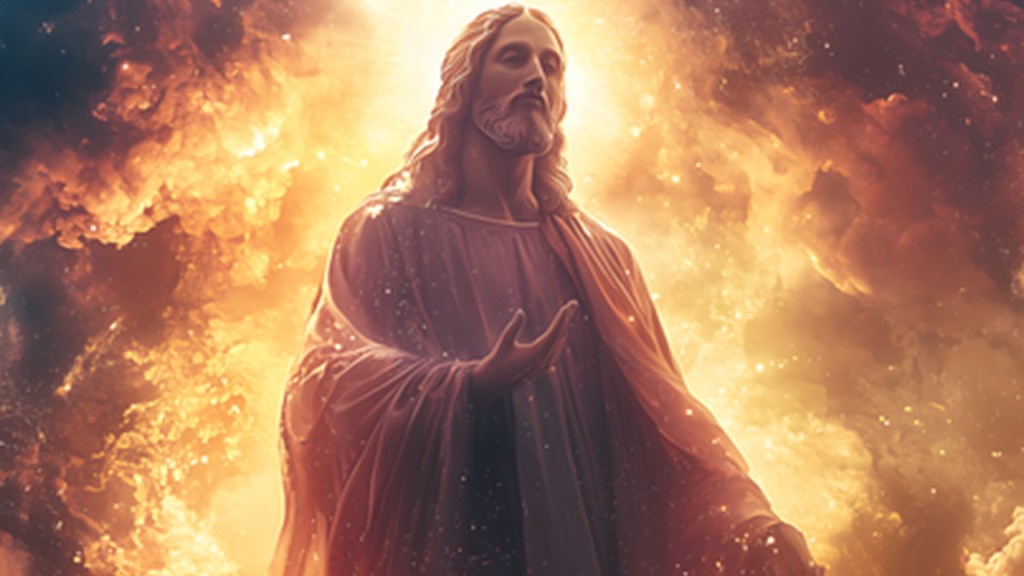
God’s promises to send two people: the messenger who would prepare his way. That is John the Baptist. Then “the Lord you are seeking will come to his temple.” That was Jesus. The Lord they were looking for was going to come, just as they asked.
But it can be a dangerous thing to ask for God to come. Refining and laundering are both pictures of cleansing. This isn’t a relaxing shower or a soothing bath. This is burning away the impurities in a blast furnace. This is soaking the pants in lye and rubbing them over a washboard and maybe beating them over a rock until the stain comes out. This is the painful process of leading people to surrender to God and repent of their sin.
There is a scene in the C.S. Lewis book The Voyage of the Dawn Treader in which one of the characters, Eustace Scrubb, has discovered a dragon’s treasure on an enchanted island. It fills him with all kinds of greed, and he plots how to take it all for himself without anyone else finding out. As he plans and plots, he falls asleep, and when he awakes, he has become a dragon himself. It is all a picture of how our sin and selfishness make us like THE Dragon. They spoil our hearts. They ruin us as human beings, turning us into creatures of an entirely different sort than God made us to be.
Eustace is desperate to become a little boy again. It occurs to him that scaly dragons are snake like. Perhaps he can shed his skin and become the boy he once was. Three times he scrapes the scales off his body, only to find that he hasn’t changed underneath. He is still the dragon. That should come as no real surprise, because that’s what happens when a snake sheds its skin, too, isn’t it. It remains a snake. It can’t really change itself.
Then Aslan the Lion, the Jesus character in the book, appears. He tells Eustace, “You will have to let me undress you.” And Eustace is afraid of his claws. He knows it will hurt, but he lets him do it. So Aslan goes to work pulling the dragon skin off. It hurts worse than anything Eustace has ever felt, but it is the only way to escape the dragon body he has become. In the end Aslan has stripped Eustace of his dragon body, and washes him up, and gives him new clothes to wear.
When John the Baptist and Jesus came to God’s people, the people had been looking for them. They wanted the Messenger and their Lord to come. But this is what God wanted to do to his people through them: burn and scrub away their sin and selfishness, tear away their dragon scales, turn them back into his children. For some the process was too scary, too painful. They didn’t go through with it–the Pharisees, the Priests, Judas.
For us, the Lord wants the same thing. He doesn’t want us to peel off our own scales, softly and gently, when we make the easy choices and give up the vices we never really liked anyway. That is a limp and weak repentance, no real repentance at all. He wants to get his claws deep into our souls. He tears through our favorite sins and underneath them. He gets to the heart that is the root of the problem. Tearing the old creature away is necessary for us to become people of God.
Then he can wash us in Jesus’ blood. Then he can dress us in Jesus’ righteousness and love. “Then the Lord will have men who will bring offerings in righteousness, and the offerings of Judah and Jerusalem will be acceptable to the Lord, as in days gone by, as in former years.” So cleansed can we live and love and give as the Lord wants us to do.




 Bits of Bread