John 13:33 “My children, I will be with you only a little longer. You will look for me, and just as I told the Jews, so I tell you now: Where I am going, you cannot come.”
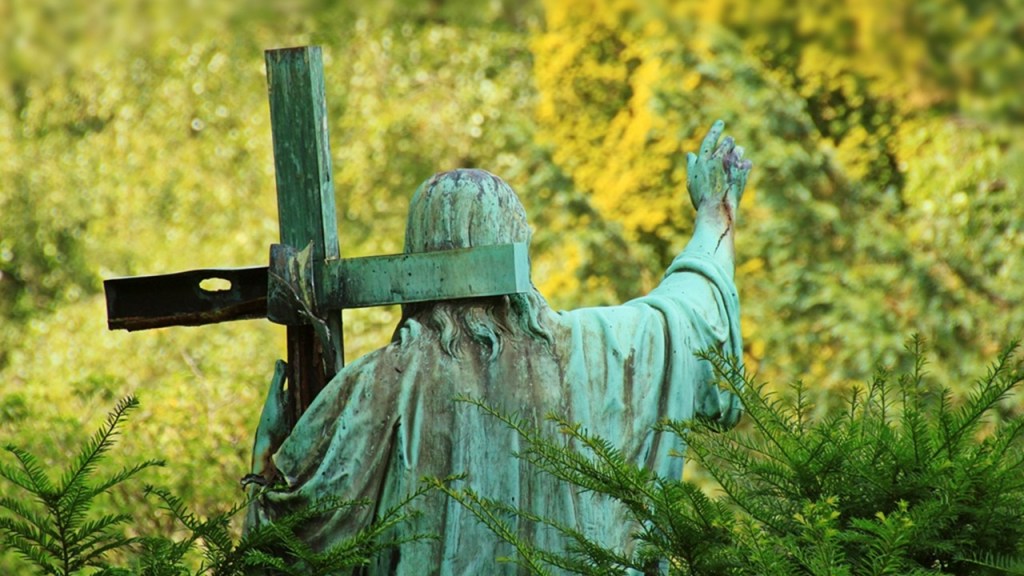
A part of me doesn’t like the implications of Jesus’ kind of glory. We are his followers, and I don’t like the place it leads. The first time Jesus tried to explain it to Peter, he didn’t like it, either. You remember how Jesus called Peter Satan after Peter opposed Jesus’ announcement that he would die. Then he announced that anyone who wants to follow him must deny himself and take up his own cross and lose his own life for Jesus: not just apostles, or clergy, but anyone, everyone.
I like the praise-and-fame kind of glory. I would like adoring fans telling me how wonderful I am. I could be very content enjoying the respect and support of my congregation, my family, and my neighbors because they think I am nice, or talented. I like this kind of glory, because I like myself–a lot.
There is nothing wrong with being nice or having talent. But we aren’t much use to God or anyone else when being “nice” keeps us from telling someone what needs to be said–that living that way is sin; that no, you are not a good person, you need a Savior, too. We are selfishly squandering our talents when we turn them only to creating a comfortable life for ourselves. The world may glorify a life of self-indulgent luxury. God sees just wasted resources, and a lost soul.
Jesus’ suffering may help me see some of the places my own life will lead. But it also leads him to one place neither you nor I can ever go. That is the place of divine justice. That is the substitutionary sacrifice for sin, that belongs to his suffering alone. “My children, I will be with you only a little longer. You will look for me, and just as I told the Jews, so I tell you now: Where I am going, you cannot come.”
Peter and John tried to follow Jesus that night, you may remember. After his arrest scattered the disciples, Peter and John doubled back and followed him to the home of the high priest. There Peter’s empty self-confidence turned to cowardice, and he denied knowing Jesus, disavowed any relationship with him three times.
John made it all the way to the cross. There he stood, looking up at Jesus while he bled and died. But even John didn’t go where Jesus went. His hands and feet were not pierced by nails. He didn’t suffer the terrifying loneliness, the dark despair of God’s abandonment, as the single sacrifice to settle accounts between God and man. That trip Jesus made all alone.
At times, perhaps, we have foolishly believed we could make this trip with Jesus, or at least one like it. We will pay for our sins ourselves. We will make ourselves miserable. We will deny ourselves some pleasure. We will make some heroic sacrifice, and then won’t God be pleased, and impressed with our devotion. How pathetic that we would compare our measly discomforts with the hellish agony Christ endured!
It’s not that we fail to go where Jesus went the day he died. It’s that we can’t. “You cannot come.” But thank God we don’t need to. He left nothing for us to do, no sin unforgiven, no soul unredeemed.
The old Lenten hymn asks, “Were you there when they crucified my Lord?” By faith it implies that we were, that we are, there as we hear the story and ponder the meaning of the cross.
But in another sense, we weren’t there, and we will never go, because Jesus went in our place. We may have crosses of our own. Jesus warned that they would come. But they are not like his. Our crosses may serve us. Only his can save us.

